
Digital business cards and UK GDPR: a plain guide for small businesses
What UK GDPR and the marketing rules mean when you collect contact details through a digital business card: lawful basis, telling people, follow-ups versus newsletters, and choosing a provider.
By Wesley Sing, Founder of Newbi6 min read
This is general information, not legal advice. For advice on your own business, speak to a solicitor or see the Information Commissioner's Office (ICO) guidance.
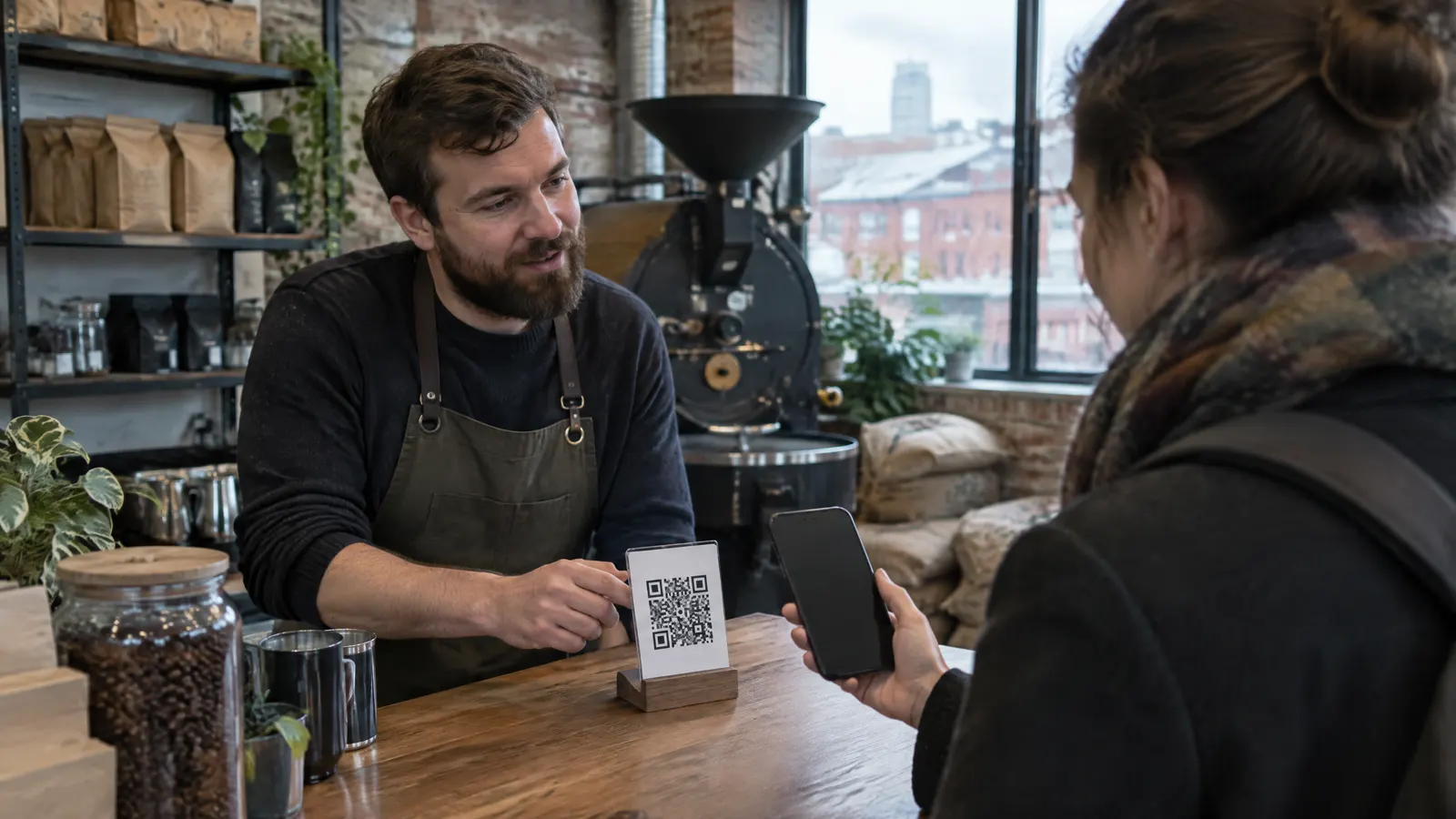
A digital business card makes it effortless to swap details: someone scans your QR code, taps your card or fills in a short form, and their name and email land in your contacts. That is exactly what makes it useful, and it is also why UK GDPR applies. Collecting someone's contact details is processing personal data, whether it arrives on paper or on a phone.
This guide covers the questions UK small businesses ask most.
Two sets of rules, not one
- UK GDPR and the Data Protection Act 2018 cover collecting, storing and using personal data.
- The Privacy and Electronic Communications Regulations (PECR) cover sending marketing by email, text and similar channels.
Most of the confusion around business cards comes from mixing the two up.
Do you need consent to collect someone's details?
Not always. UK GDPR needs a lawful basis for processing, and consent is only one of six. When someone gives you their details so you can get back to them, the lawful basis is often legitimate interests: you have a genuine reason to use the data, it is what the person would expect, and it does not override their rights. Following up on a conversation someone started is a classic example.
What you do need in every case is to be transparent. People should know who you are, why you are collecting their details, and what you will do with them, at the point you collect them. On a form, a short line and a link to your privacy notice usually covers it.
Following up versus marketing
This is where PECR comes in.
- A personal follow-up to someone who asked you to get in touch is not marketing in the PECR sense. Reply, send the information they asked for, and arrange the meeting.
- Marketing emails and texts to individuals, including sole traders and some partnerships, generally need their consent, unless the "soft opt-in" applies: they bought from you or negotiated to buy, you are marketing your own similar products, and you gave them a clear chance to opt out when you collected their details and in every message.
- Marketing emails to corporate addresses, such as a named person at a limited company, are treated differently under PECR, and do not need consent. You must still say who you are and offer an easy opt-out, and UK GDPR still applies, so the person should know you will market to them.
A practical rule: someone who scanned your card at an event expects to hear from you about that conversation. Adding them to your monthly newsletter is a separate step that is best done with a clear yes.
The basics every small business should cover
- A privacy notice that says what you collect, why, your lawful basis, how long you keep it, who you share it with, and people's rights.
- Keep only what you need, for as long as you need it. Set a sensible time to delete leads that went nowhere.
- Keep it secure. Use tools with proper access controls, not a shared spreadsheet.
- Answer requests. People can ask for a copy of their data, a correction or deletion, and you normally have one month to respond.
- Check whether you need to pay the ICO's data protection fee. Most organisations that process personal data do, and the ICO has a short online self-assessment.
Questions to ask a digital business card provider
- Where is the data stored? In the UK or a country with UK adequacy regulations, such as EU countries, is simplest.
- Can you export the contacts you collect?
- Can you delete a contact when someone asks?
- Is the provider a processor for your data, with terms that say so?
Where Newbi fits
Every Newbi card's enquiry form tells visitors who their details go to and links to a privacy notice. It also has an optional "send me news and offers" box, which starts unticked. When someone ticks it, the date is recorded, and your leads inbox, your spreadsheet export and any CRM connection all show who agreed to marketing and who did not. If someone asks you to delete their details, you can delete their lead permanently from your dashboard.
Leads are stored in a European Union data centre, in Frankfurt, which the UK's adequacy regulations cover, and you can export them to a spreadsheet at any time.
The rules above are yours to follow, whichever tool you use. Tell people why you are collecting their details, follow up on the conversation they started, and ask before adding anyone to your marketing.
Quick answers
Do I need consent to save someone's details from a business card? Not necessarily. Legitimate interests is often the right basis for following up on a conversation. You still need to tell people how you use their data.
Can I add contacts from my digital card to my newsletter? For individuals, generally only with their consent or under the soft opt-in for customers. Corporate email addresses have more relaxed marketing rules, but you must still offer an opt-out.
Does UK GDPR apply to sole traders? Yes, if you process personal data for your business, which collecting client contact details is.